Key points
- Outbound calling to US businesses is now available to all Muse paid subscribers, not just early adopters.
- Subscription tiers start at $20 per month for 500 million tokens, with a $100 option for heavier usage.
- Businesses often hang up on identified AI callers, creating friction for the automated interaction.
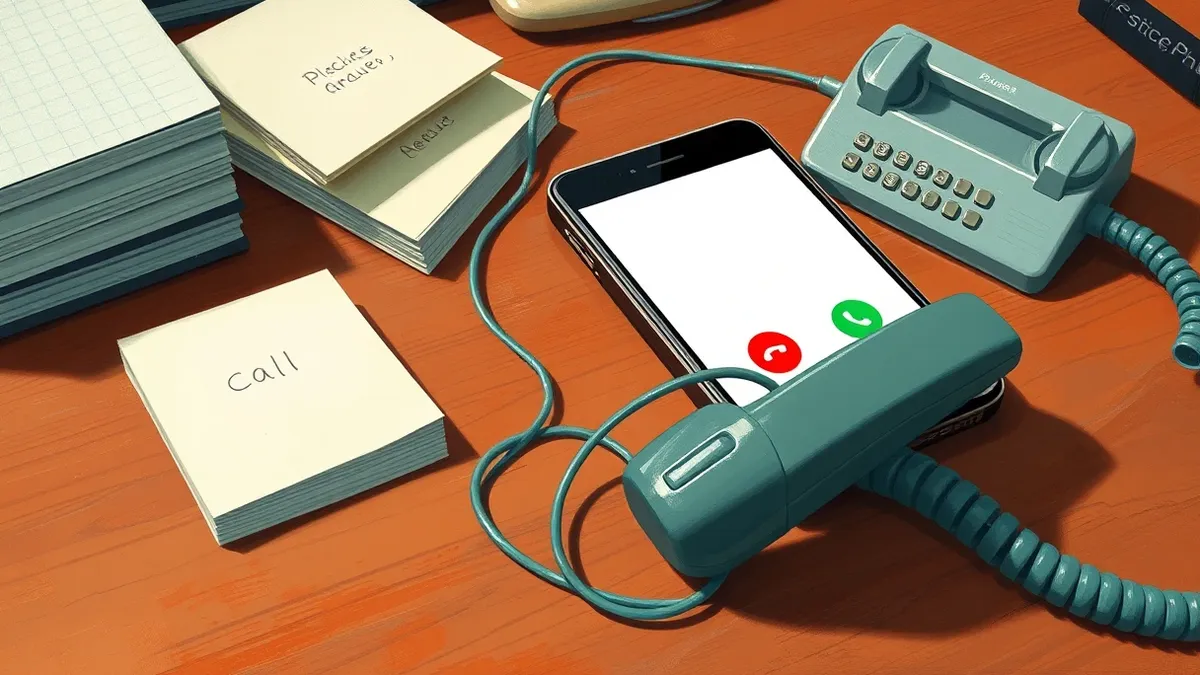
Meta reports that its consumer AI agent Muse can now place outbound calls to United States businesses for all paid subscribers.reported TechCrunch reported this expansion, noting that the feature was previously restricted to a select group of early adopters who requested access.reportedMeta’s AI helper can now call US businesses for people who pay for the service.Meta has expanded Muse’s outbound calling capability from an early-access test to all paid subscribers. The change removes the earlier gatekeeping for this specific capability.
The claim
Alexandr Wang, Meta’s Chief AI officer and head of its Superintelligence Labs division, noted that the feature could be used to take care of calls people don’t want to make, like those to their cable company or a restaurant. Meta says Muse now serves over 10 million users.reported The company positions this as a step toward mainstream consumer AI adoption by handling another task on people’s to-do lists.
Evidence: reported
Meta's Muse can now make calls on your behalf (if you have a paid subscription)aifleet-engadget
The response
TechCrunch noted that reception from businesses can be mixed, with many receptionists hanging up upon identifying an AI caller. The outlet observed that while AI voice mimicry improves, distinguishing between human customers and agents remains difficult for businesses. This friction suggests the utility depends heavily on the recipient’s willingness to engage with automated voices.
What changes, what does not
Access to outbound calling is now tied to payment, whereas it was previously invite-only. TechCrunch reported that free users will not get this feature soon.reported However, Wang indicated that a new option to create a Muse email address will roll out to free users in the near future, separating communication channels from voice capabilities.
Building on this
Users can leverage Muse’s documented capability to place calls to US businesses, but must account for high rejection rates from businesses. The documented limit is that calls require a paid subscription, starting at $20 per month.reported Users cannot guarantee successful connections, as receptionists may terminate calls upon detecting AI voices.
Evidence: reported
Meta's Muse can now make calls on your behalf (if you have a paid subscription)aifleet-engadget
Why it matters
- Policy readers must consider how AI calling impacts business operations and consumer convenience.
- The paywall for outbound calls creates a tiered access model for AI-mediated communication with US businesses.
- High hang-up rates from businesses indicate potential social friction for widespread AI calling adoption.
- The separation of free email features from paid voice features suggests distinct monetization strategies for different AI modalities.
Topics: Meta, AI agents, voice AI, subscriptions
Updated
Then / now / next
Only a select number of early adopters could test outbound calling after requesting access.
All paid subscribers can use Muse to place calls to US businesses.
Free users will receive the ability to create a Muse email address, per Wang.
Story timeline
- Then Only a select number of early adopters could test outbound calling after requesting access.
- 12 Nov 2026 Muse can now place calls to U.S. businesses — if you pay
- 12 Nov 2026 Meta's Muse can now make calls on your behalf (if you have a paid subscription)
- Now All paid subscribers can use Muse to place calls to US businesses.
- Next Free users will receive the ability to create a Muse email address, per Wang.
The strongest doubt
Counterpoint from the sources
Many businesses hang up on AI callers immediately, limiting the practical utility of the feature.
For readers
Policy
- Outbound AI calling faces resistance from businesses, raising questions about consumer protection and business consent.
- The paywall for voice AI creates a digital divide in access to automated administrative tools.
Business
- Receptionists often terminate calls from identified AI agents, creating operational friction for companies receiving such calls.
- The improvement in AI voice mimicry makes it harder for staff to distinguish human from automated callers.
Consumers
- Paid subscribers can use Muse to handle tedious calls to cable companies or restaurants without online reservations.
- Free users will not have access to outbound calling but may get email features soon.
Numbers in context
Circle area is proportional to the magnitude; labels retain signs. Figures may describe different measures. Read their contexts above.Ask the article
Local keyword search of this article; no generated answers.Did this article give you the evidence you needed?
Your choice stays on this device. No public tally.Questions readers ask
Who can use Muse to call US businesses?
Only paid subscribers to Meta’s Muse service can place outbound calls to US businesses.
How much does the subscription cost?
Plans start at $20 per month for 500 million tokens, with a $100 option for 3 billion tokens.
Do businesses answer these calls?
Many businesses hang up when they identify the caller as an AI agent, according to the published report
Connected stories
Reading receipt
- Outbound calling to US businesses is now available to all Muse paid subscribers, not just early adopters.
- Subscription tiers start at $20 per month for 500 million tokens, with a $100 option for heavier usage.
- Businesses often hang up on identified AI callers, creating friction for the automated interaction.
Still open: How will businesses adapt their call centers to handle increased AI-initiated contact?
Still open: Will the free email feature roll out to all users simultaneously or in phases?