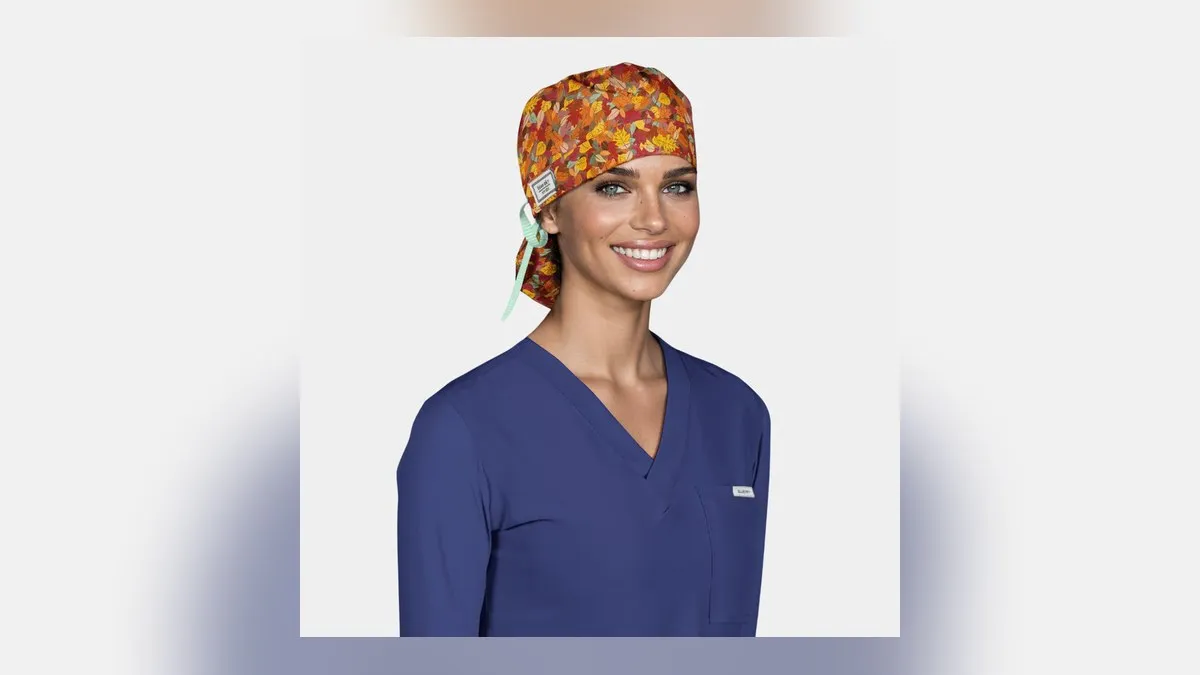
Key points
- Check facility attire policy before starting any design project.
- Make design a team process with clear voting and inclusive themes.
- Plan the name and role identification first, since it matters more than the pattern.
Nurses have long personalized their scrub caps, and generative AI has lowered the bar to creating something truly unique. A charge nurse with a free afternoon can now produce a unit-themed pattern, a mascot or a seasonal print without any design training.
For managers, the enthusiasm is welcome, and the risks are quiet. A project meant to build morale can stall on a policy conflict, offend someone with an overlooked image or produce a cap that looks great and works poorly. Here is a manager's framework for deciding whether and how to do it.
Start with policy, not pattern
Every facility sets its own attire rules. Some specify colors by role, some restrict patterns in sterile areas, and some require that caps be laundered a certain way or supplied by the hospital. Those rules vary widely and change over time, so confirm the current version with your infection prevention team or nurse leadership before designing anything.
Ask three direct questions. Are personal caps allowed in this unit? Are there limits on color, pattern or imagery? Who approves a unit-wide design? Put the answers in writing. A great-looking design that violates policy is wasted work and can create awkward conversations.
Decide what the project is for
A team design project can serve very different goals, and the goal shapes the process.
- Morale: a fun shared identity, like a themed cap for a holiday or an anniversary.
- Identification: clear names and roles so colleagues can address each other quickly.
- Recognition: marking milestones or celebrating a team achievement.
Be honest about which one you are pursuing. Identification, in particular, is a safety and teamwork topic more than a style topic. The #TheatreCapChallenge, begun in 2018 by Australian anaesthetist Dr Rob Hackett, encouraged staff to write names and roles on theatre caps for exactly that reason. If your goal is similar, plan the lettering before the artwork.
Run the AI step as a team activity
The temptation is to let the most tech-savvy person generate designs privately and announce the winner. Resist it. Design by surprise breeds resentment, and tastes differ.
Instead, hold a short session. Collect themes from the team, generate a small set of candidates with a tool, and display them anonymously for a vote. Give people the chance to veto a design for any reason, without having to explain. Choose the final with a clear rule, such as a simple majority among those who participate, and let people opt out of the unit design without any pressure.
Screen the output for problems
Generative tools can produce unexpected content: garbled text that looks like a rude word, symbols with unintended meanings, or imagery that resembles a known trademark. Review every candidate carefully, at full size, with several people looking.
Also think about inclusion. Avoid religious, political or culturally specific imagery unless it is truly shared, and do not choose themes that could make a patient or a colleague uncomfortable. Plain, cheerful patterns rarely cause trouble. If your team likes a character or logo, check that it is not protected, and never prompt a tool to imitate a specific living artist.
Put names and roles first
If you take only one idea from this guide, take this one. A decorative cap is nice; a cap that tells the room who you are is useful. Teams that add names and specialties to headwear often find that communication in a busy environment gets easier.
That is where professionally embroidered options come in. Blue Sky Scrubs, a company with Austin, Texas origins that has designed caps for healthcare professionals for more than two decades, offers embroidery so caps can carry a name, specialty or logo. Teams that want to compare finishes and placements can look at scrub caps with name embroidery before deciding how much of the cap should be pattern and how much should be identification.
Remember that cap style affects the layout. The company's range includes the Pixie, Poppy (bouffant), Pony (ponytail), Splendid and Stellar, and each presents the front differently. Choose the style your staff will actually wear before finalizing artwork.
Budget and ordering practicalities
Decide early who pays. Some units fund caps from a team account, others expect individuals to buy their own. Group ordering can make the cost easier to manage; at the maker above, group discounts start at 15 items or more, with tiered pricing by quantity, so it pays to coordinate rather than order one at a time.
Collect sizes, styles and name spellings in one shared sheet, have each person confirm their own entry, and set a firm deadline. Late changes are the most common cause of delays and errors.
Consider also how the project ends. Decide in advance how new hires will be included, how replacement caps will be ordered and who will keep the final artwork files. A project that ends with a tidy folder and a named owner is easy to repeat next year, while one that depends on one enthusiastic person tends to fade when that person moves on.
A short thank-you note to the volunteers who helped, and a photo of the team wearing the finished caps, closes the loop and builds goodwill for the next initiative.
Finally, keep the project proportionate. A cap design is a pleasant morale boost, not a mission. If the process starts to cause friction, simplify: choose an existing pattern, agree on identification, and move on. The best team projects are the ones that add a little color to a hard job without adding another meeting to anyone's calendar.
A manager's launch checklist
- Confirm attire policy and approvals in writing.
- State the project goal and who decides.
- Gather themes and generate a limited set of candidates.
- Screen for text errors, symbols and trademark issues.
- Hold an open vote and respect opt-outs.
- Collect confirmed names, roles and styles.
- Order a sample before the full run.
Follow that sequence and a design project becomes what it was supposed to be: a small shared win for a team that works hard, with no surprises for the person who has to explain it upstairs.
Topics: healthcare teams, management, generative ai, scrub caps
Updated
Did this article give you the evidence you needed?
Your choice stays on this device. No public tally.Connected stories
Reading receipt
- Check facility attire policy before starting any design project.
- Make design a team process with clear voting and inclusive themes.
- Plan the name and role identification first, since it matters more than the pattern.