Key points
- HomeView uses iPhone proximity rather than cameras for user identification.
- The device lacks its own app store, relying on iPhone connectivity.
- Apple updated Apple TV and HomePod mini alongside HomeView on October 13.
Fast Company Technology reported that Apple’s October 13 home product launch introduced HomeView, a touchscreen family hub that signals a strategic pivot toward a Siri-first ecosystem and away from the traditional app-centric model that drove iPhone success.reported
The claim
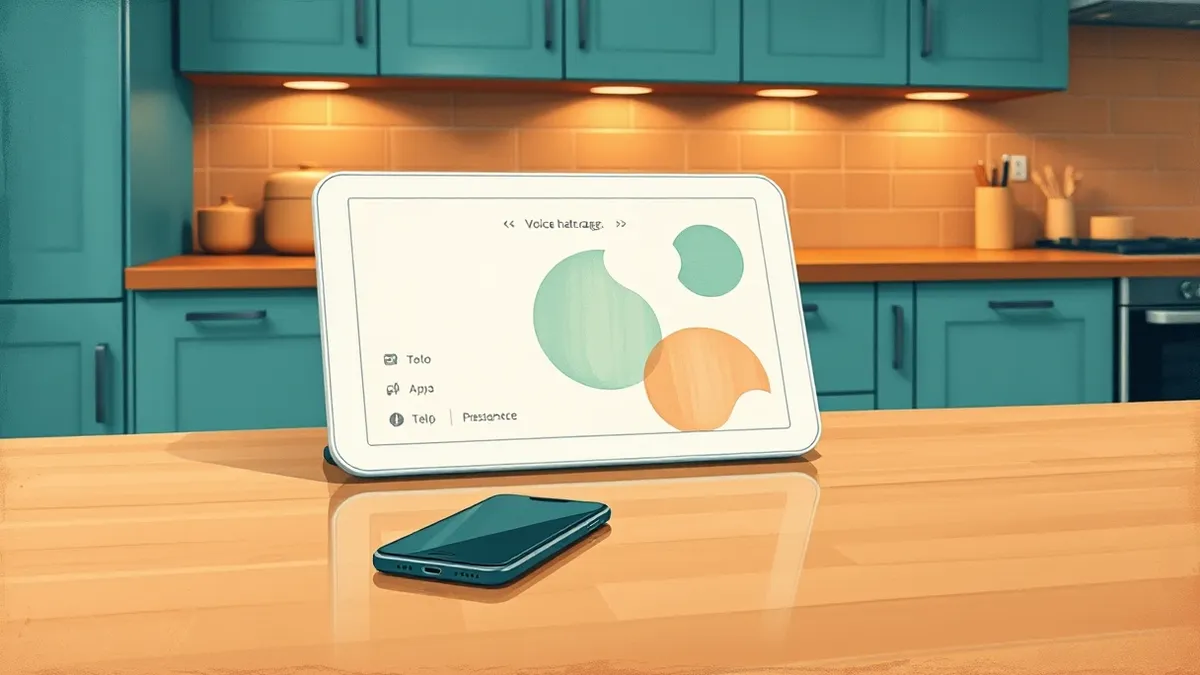
The outlet described HomeView as a device with a square 1:1 aspect ratio and a widget-driven display, resembling a large Apple Watch more than an iPad.reported It can be wall-mounted or tilted on a domed aluminum base with a metallic texture similar to the Mac mini, contrasting with the cloth styling of the HomePod mini. The report suggests the device supports multimodal interactions rather than simple tap-and-takeaway inputs.
The response
Fast Company noted that HomeView’s platform philosophy draws from CarPlay, which mirrors iPhone apps on dashboard displays. Although HomeView operates as an independent device, it maintains strong ties to the iPhone for personalization and app execution. The outlet argued this approach offers richer on-the-fly personalization than camera-based recognition used by Amazon and Google smart screens.
What changes, what does not
The report states that HomeView does not have its own app store. This limitation suggests Apple is prioritizing a centralized hub experience driven by the iPhone’s ecosystem rather than expanding a standalone application marketplace for the home device. The outlet also mentioned updates to the Apple TV and HomePod mini speakers during the same event.
Building on this
The source material indicates HomeView functions as an independent device with strong ties to the iPhone, which provides its personalization and app engine. Developers can expect the platform to rely on iPhone proximity for user identification rather than camera-based recognition. The device features a widget-driven display and supports multimodal interactions, suggesting a shift away from traditional app-centric interfaces. However, the lack of a native app store means the device does not support standalone application deployment, requiring reliance on the connected iPhone’s ecosystem for content and functionality.
Why it matters
- Apple shifts strategy from an app-first ecosystem to a Siri-led direction with HomeView.
- The device uses iPhone proximity for on-the-fly personalization instead of camera-based recognition.
- HomeView serves as a multimodal family hub with a 1:1 aspect ratio and widget-driven display.
- The platform borrows from CarPlay philosophy, relying on the iPhone for its personalization and app engine.
Topics: Apple, HomeView, Siri, Smart Home, AI
Updated
Then / now / next
Apple’s home strategy focused on app downloads and standalone smart speakers like the original HomePod.
HomeView introduces a square, widget-driven hub that relies on iPhone proximity and Siri for interaction.
Observers will watch whether Apple expands this Siri-first, app-less model to other home devices or services.
Story timeline
- Then Apple’s home strategy focused on app downloads and standalone smart speakers like the original HomePod.
- 01 Nov 2026 How HomeView foreshadows Apple’s post-app, Siri-first future
- Now HomeView introduces a square, widget-driven hub that relies on iPhone proximity and Siri for interaction.
- Next Observers will watch whether Apple expands this Siri-first, app-less model to other home devices or services.
The strongest doubt
Counterpoint from the sources
Fast Company suggested that Apple’s approach to personalization via iPhone proximity is superior to camera-based methods, though it remains to be seen if this model scales effectively for multiple simultaneous users in a shared space.
Ask the article
Local keyword search of this article; no generated answers.Did this article give you the evidence you needed?
Your choice stays on this device. No public tally.Questions readers ask
Does HomeView have its own app store?
No, Fast Company reported that HomeView does not have its own app store and relies on the iPhone for app execution.
How does HomeView identify users?
The device uses iPhone proximity to determine who is using it, rather than relying on cameras for facial recognition.
What physical form factor does HomeView use?
It features a square 1:1 aspect ratio display and can be wall-mounted or tilted on a domed aluminum base.
Connected stories
Reading receipt
- HomeView uses iPhone proximity rather than cameras for user identification.
- The device lacks its own app store, relying on iPhone connectivity.
- Apple updated Apple TV and HomePod mini alongside HomeView on October 13.
Still open: Will Apple introduce a native app store for HomeView in future software updates?
Still open: How will HomeView handle multiple users with iPhones in close proximity simultaneously?